



US-Based B2B Cold Calling Services That Build Pipeline, Not Resentment
Make thousands of targeted outbound calls monthly without hiring, training, or burning bridges. Our US-based Business Development Specialists know how to open doors and start real conversations—so your sales team gets well-qualified opportunities, not complaints.


181%
More appointments than anticipated for OctaneVTM
425
Appointments set for LAP Laser
516
Appointments set for TEL Education
Since
2013
Trusted Partner to B2B Leaders
What's Included
Everything your sales team needs to close more deals. Nothing they don't.

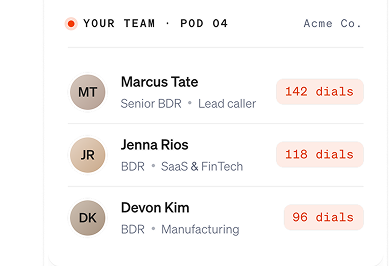
US-Based BDR Team
US-based, native English-speaking BDRs learn your offer, market and ideal customer profile, then make calls on your behalf.
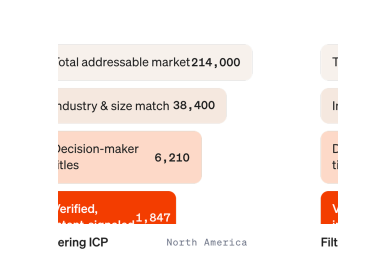
Targeted Prospect Lists
We build and maintain contact lists around your ideal customer profile, including the company types and buyer roles you want to reach.
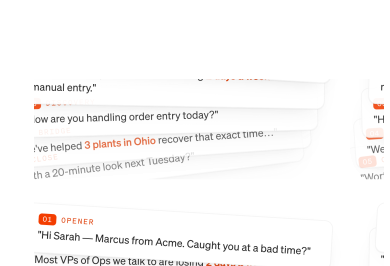
Custom Call Flows
Call flows give your BDRs a clear way to introduce your offer, ask questions and respond to objections. We refine them using feedback from conversations.
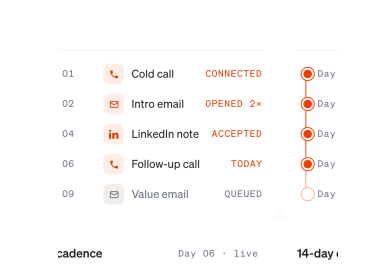
Calls & Follow-Up
Calls and targeted emails work together to introduce your business and follow up with prospects as the conversation develops.
Campaign Reporting
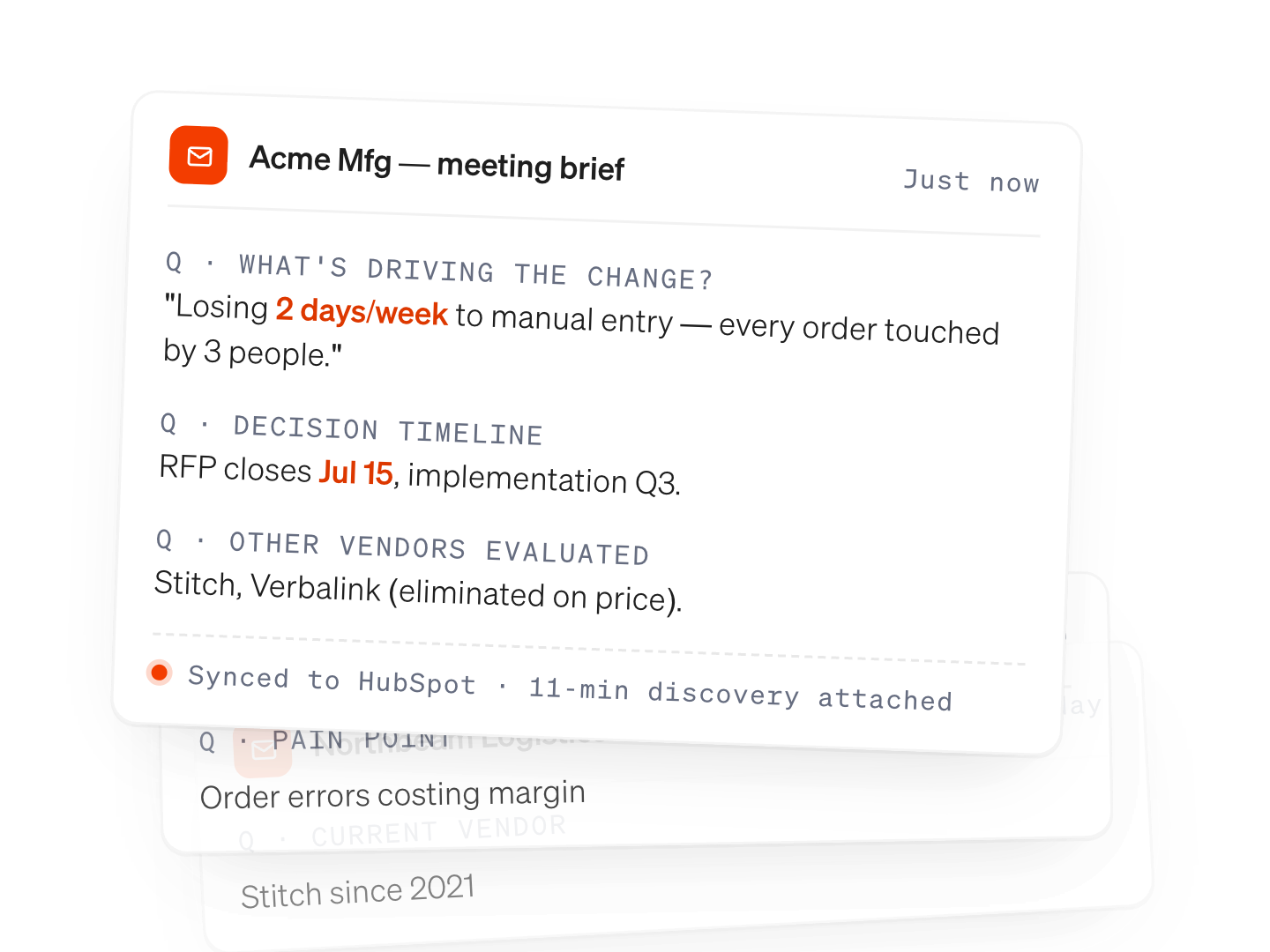
Track call activity, conversation outcomes and qualified opportunities through weekly reporting. Discuss CRM handoff options during setup.
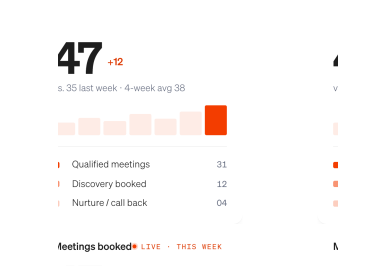
Lead Qualification & Handoff
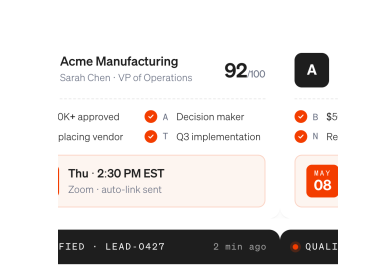
We qualify prospects against your agreed criteria and pass conversation notes to your sales team, giving them context for follow-up.
Our Process
How we run your cold calling campaign
We prepare the target list and messaging, make the calls, and give your sales team the context to follow up.
1

Define the campaign
We learn your offer and target market, prepare the prospect list, and agree on what makes a qualified opportunity.
Define target accounts and buyer roles
Approve messaging and call flows
Agree on qualification criteria
2

Make the calls
Our US-based BDRs start conversations and follow up with prospects. We review call outcomes with you and refine the approach.
US-based BDRs run outreach
Calls with targeted email follow-up
Weekly reviews of activity and results
3

Hand off qualified prospects
We pass qualified prospects to your sales team with notes from the conversation, so they can prepare for the next step.
Qualification against your criteria
Prospect details and conversation notes
Agreed next steps for sales follow-up
Discuss your target market, campaign scope and launch requirements with our team.
Discuss Your Campaign
Why Leads at Scale
Your prospects hear from US-based BDRs who have learned your offer and the people you want to reach.
We prepare targeted lists and call flows, then use prospect feedback to refine the conversation. Weekly reviews keep you involved in the campaign.
Your sales team gets qualification notes and context for follow-up. You can assess the program through call activity, conversations and qualified opportunities.
Learn About Outbound Sales
RESULTS
Why B2B Cold Calling Still Works
You've heard it's dead. Here's why that's wrong, and why
most companies fail at it anyway.
MYTH
Cold calling is too intrusive.
REALITY
Bad cold calling is intrusive. A well-researched, consultative call from a skilled BDR feels like a favor, not an interruption. It's about how you do it.
MYTH
Outbound is outdated.
REALITY
75% of executives have taken action from a cold call (RAIN Group). The channel works—most companies just execute it poorly.
Cold calling isn't dead. Lazy cold calling is. We do it the way it should be done—with research, personalization, and respect for your prospects' time.
BUYER CHECKLIST
How to choose a B2B cold calling company
Before choosing a partner, ask these five questions:
Who will represent your business?
Confirm who makes the calls, where the team is based, and how callers learn your market and offer. Ask to hear sample calls.
What counts as a qualified appointment?
Agree on company fit, buyer roles and meeting criteria before launch. Confirm how no-shows and meetings that fail those criteria are handled.
Can you verify their results?
Ask for relevant case studies with clear campaign periods and definitions for calls, conversations and appointments.
Explore our client resultsWhat does the price include?
Compare call volume, list building, setup, reporting and contract terms. Evaluate what each program delivers.
See our program pricingWhat information will your sales team receive?
Request a sample report and lead handoff. Confirm access to prospect details, qualification notes and next steps, plus who owns the data when the engagement ends.
results
Cold Calling Results
Real numbers from real B2B companies.


Outbound Calls
:
10,200
LAP Laser campaign
Appointments Set
:
425
Booked during this campaign
Contact Rate
:
17.1%
As reported in the case study
“LAP Laser has completed several projects now with Leads at Scale, where we focused on both new and existing customers.”

Felix Littschwager
Senior Manager, Inside Sales
Read Full Case Study

Outbound Calls:
20,643
Appointments:
516
"Our sales continue to double in
size year over year."
Fred Dohmann
CEO
Read Full Case Study
Outbound Calls:
8,841
Appointments:
121
Elevance Health is one of the nation's largest diversified health benefits organizations, serving over 118 million members, and needed urgent outbound call support.
Read Full Case Study
Is This Right for You?
Our B2B cold calling services
work best for companies who:
Need to reach hundreds or thousands of prospects monthly
Don't have bandwidth to build an internal cold calling function
Value quality conversations over spray-and-pray volume
Want their brand represented professionally on every call
Sell B2B with deal sizes that justify outbound investment
Industries we serve:
Manufacturing
Technology & SaaS
Financial Services
Professional Services
Healthcare
Let's figure out if cold calling is the right channel for your market.
Sometimes it is, sometimes it isn't—we'll tell you honestly.
Check Your Fit
FAQ
Common Questions
Is B2B cold calling still effective in the age of AI?
Cold calling can help you reach B2B buyers and learn about their needs through a two-way conversation. Its value depends on the right target accounts, a relevant offer and consistent follow-up. Measure conversations and qualified opportunities alongside call volume.
What compliance questions should we cover before launch?
Ask us to walk through the proposed calling approach, contact data sources and process for handling opt-out requests. Confirm the requirements and responsibilities for your target market before a campaign begins.
What's the difference between cold calling and cold emailing?
A cold call lets a BDR ask questions, respond to objections and assess fit during the conversation. Email gives prospects information they can review in their own time. We use calls and targeted follow-up emails together.
Are your cold callers US-based?
Yes. Our BDRs are US-based, native English-speaking professionals. They learn your offer and target market so they can represent your business in conversations with prospective buyers.
How do your BDRs learn our industry?
During onboarding, your BDRs learn your offer, market and ideal customer profile. We build the sales playbook around that information, then use weekly campaign reviews to refine the messaging based on prospect feedback.
Can you integrate with our CRM?
Tell us which CRM you use and what your sales team needs to receive. We will confirm the available handoff or integration options for your setup before launch.
How do you keep calls consistent with our brand voice?
We develop a sales playbook around your offer and tone of voice, with messaging for you to approve before launch. Campaign reviews give you a way to share feedback and refine how your business is represented.
What industries do you serve?
We have worked with B2B companies in manufacturing, technology, professional services, financial services and healthcare. We will discuss your market, buyer roles and offer to assess whether cold calling fits your sales process.
How much does it cost to outsource B2B cold calling?
Programs are priced by monthly call volume, with a one-time setup fee. Discuss the scope that fits your market and sales goals.
Explore pricing and program options.How do your BDRs handle objections?
Our BDRs ask questions to understand the prospect's needs, fit and timing. They record the outcome and respect a request to end the conversation. That context helps determine the next step.
How are prospects qualified and handed to our sales team?
We define company fit, relevant buyer roles and qualification questions with you before calling begins. Your sales team receives prospect details and notes from the conversation to prepare for the next step.
Can I outsource cold calling instead of building it in-house?
Yes. We handle prospecting, calling, follow-up and qualification so your sales team can focus on sales conversations. You still help define the target market and offer, approve messaging and review results.
Compare in-house and outsourced SDR costs.Explore Our Other Services

B2B Appointment Setting Services
Get pre-qualified meetings booked directly to your calendar with detailed prospect briefs. For companies who want warm, well-qualified appointments, not just leads.
Learn More

Outbound Call Center Services
Scale your outbound with a dedicated team and full transparency. Weekly reporting, call recordings, and performance analytics included.
Learn More

Outbound Sales Services
Full-funnel sales development from prospecting to appointment setting. Everything you need to build pipeline without building an internal SDR team.
Learn More

John Dubay
Managing Partner, Leads at Scale
Ready to Discuss Your Campaign?
Choose a time to discuss your target customers and sales goals. We’ll explain how calling can support your prospecting and appointment-setting program.
Or call directly: 443-299-6029
Discuss Your Campaign
